
A perfect weekend away does not need white tablecloths or long tasting menus. Give it 48 hours, a hungry stomach, and a walkable city, and you can build a full trip around street food alone.
This guide shows you how to plan a Europe street food weekend in almost any city, from Lisbon to Berlin to Budapest. You will get a clear structure for your two days, smart ways to find the best stalls, and simple tricks to eat well without wasting time or money.
Think of it as a step-by-step template you can reuse for every future city break, with room for surprises, side streets, and the odd late-night kebab.
Step 1: Choose the Right City for a Street Food Weekend
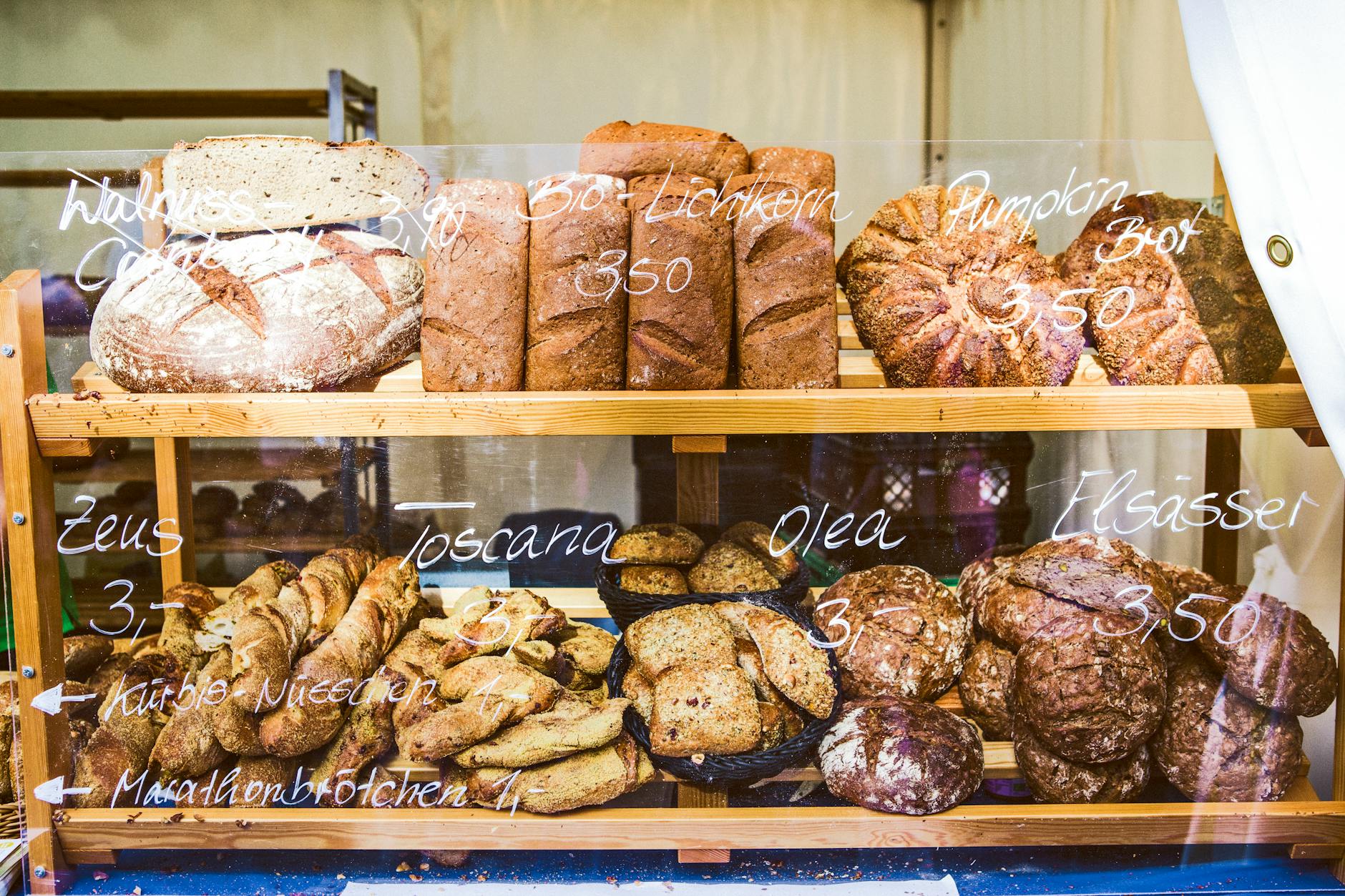
Photo by anna-m. w.
Not every city is ideal for a short food-heavy break. Some are spread out, some close early, and some lean more toward sit-down restaurants.
When you choose a city for 48 hours of food, look for:
- Walkable center: You want markets, squares, and food streets close together.
- Good public transport: Trams or metros make it easy to cross town quickly.
- Strong local snacks: Think tapas in Spain, burek in the Balkans, or pastries in France.
- Night food scene: Late-night options keep the second day flexible.
Cities like Barcelona, Berlin, Porto, Naples, Athens, and Warsaw all fit this pattern well. For first-time trips, start with one medium-sized city rather than a capital that sprawls across many districts.
Once you pick the city, lock in a central neighborhood. A room near a busy square or train station often means coffee, bakeries, and food carts right outside your door.
Step 2: Build a Simple 48-Hour Street Food Plan
Think of your weekend as four blocks of time:
- Friday evening or Day 1 evening
- Day 2 morning
- Day 2 afternoon and early evening
- Day 3 morning and lunch, then departure
A rough pattern that works in most cities:
- First evening: Stay close to your hotel or hostel, sample easy wins, get your bearings.
- Second morning: Hit the main market, try local breakfast snacks, taste regional produce.
- Second afternoon: Explore a different district, find a famous dish, add one coffee stop.
- Final morning: Revisit a favorite stall, pick up food gifts, grab a last street snack.
You do not need a strict timetable. You just need anchors, like “market at 9” or “waterfront food trucks at sunset.” This keeps you from drifting between places and eating average food because you got tired of searching.
Step 3: Use Local Tools, Not Just Generic Review Apps
Many travelers type “best street food near me” and stop there. That often sends you to tourist-heavy spots with high prices and safe, boring menus.
Instead, mix different tools:
- Local food blogs: Search for your city plus “street food blog” or “local food guide.” Independent sites often list real favorites instead of sponsored places.
- Language search: Use the local word for “snack,” “street food,” or “market” in your search. Results change when you shift languages.
- Offline maps: Pin markets, bakeries, and kebab spots on Maps before you arrive. That way, you can wander freely and still have backups.
- Social media: Explore location tags for markets or city squares. Watch for stalls with long queues and mixed age groups, not just tourists.
Treat online reviews as a filter, not a final verdict. If a place has good comments but looks empty at peak time, skip it. A full outdoor table often tells you more than 500 photos.
Step 4: Plan Your First Evening Right
Your first evening sets the tone. You will probably be tired from travel, a bit hungry, and still learning the layout of the city.
A smart first-night plan:
- Pick a single neighborhood within a 10 to 15 minute walk.
- List 3 or 4 possible stops: one for a light snack, one main dish, one dessert or drink.
- Start early by local standards, especially in Southern Europe where people eat late.
For example, in many cities you can spend the whole evening in one square with:
- A bakery selling warm pies or flatbreads
- A food truck cooking burgers or sausages
- A gelato or dessert stall
- A bar or café with outdoor seating
This gives you a mini “tasting menu” without long walks or heavy planning. Think small portions. The goal is to taste a range of flavors, not to roll back to your room after the first stop.
Step 5: Make the Market Your Home Base on Day 2
If there is a covered or open-air market, treat it as your main destination on the second morning. Markets are the heart of many Europe street food scenes.
At a good market, you can:
- Try classic breakfast items such as pastries, filled buns, or grilled meat on skewers.
- Taste regional cheeses, olives, cured meats, or pickles.
- Talk to vendors, ask about local favorites, and get real tips for lunch or dinner.
- Buy snacks to carry for the afternoon.
Move slowly. Walk the full market once before you order anything bigger than a small bite. Take photos of stalls that look interesting so you can find them again.
If you like structure, you can set a simple plan:
Salty snack first, sweet next, then a drink. For example, a stuffed pastry, a slice of cake, then a small local beer or fresh juice.
Step 6: Explore a Second District for Contrasts
Once you have tasted the central market, use the afternoon and evening to see another side of the city. Aim for contrast.
You might pair:
- A historic center in the morning with a hip, student-heavy area at night.
- A waterfront for sunset food trucks with a gritty neighborhood known for cheap grills.
- A grand square with a residential side street lined with bakeries.
Look for:
- Ethnic pockets: Many European cities have strong Turkish, Middle Eastern, or Asian food streets.
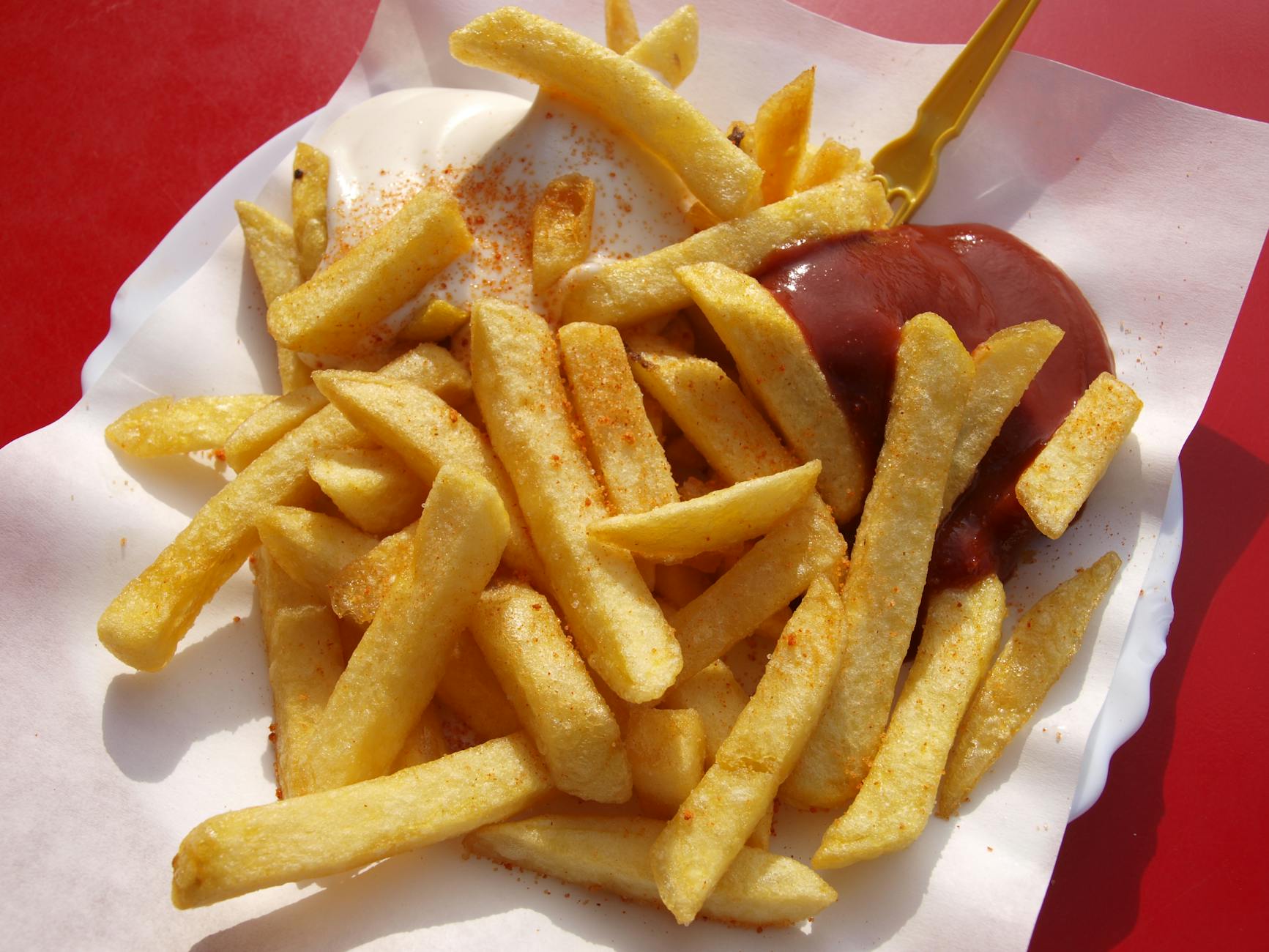
- Local fast food: Try the city’s version of pizza slices, fries, hot dogs, or stuffed bread.
- Shared tables: Spaces where people eat at big communal tables are good for solo travelers and groups.
If you feel stuck, ask a barista or market vendor, “Where do you eat after work?” Answers like “the place near the station” or “the truck on the corner at night” often lead to the best surprises.
Step 7: Work With Your Budget, Not Against It
Street food is usually cheap, but costs rise fast when you snack all day. A small plan keeps your wallet happy without killing the fun.
Simple rules that work across most of Europe:
- Pick one “big” eat per day, like seafood plates or a loaded meat sandwich. Fill the rest with cheaper bites.
- Share plates whenever possible so you can taste more dishes.
- Use bakeries for breakfast to cut costs and save time.
- Drink tap water if it is safe, and use cafés for coffee instead of sodas at every stall.
If you want a rough budget, think in terms of:
- Morning bakery and coffee
- One or two snacks
- One main street food meal
- One dessert or late-night bite
That pattern keeps your total cost clear, even if prices change from city to city.
Step 8: Stay Safe and Eat Smart Without Stress
Most Europe street food is safe, especially in busy cities, but simple habits help avoid trouble.
Food tips:
- Pick stalls with high turnover so food does not sit around.
- Watch how they handle money and food. Separate hands or gloves are a good sign.
- For seafood, dairy, and sauces, trust your nose. If it smells off, skip it.
- Go easy on raw foods like salads from stalls if your stomach is sensitive.
Street tips:
- Eat slightly away from crowded doorways so pickpockets cannot bump into you as easily.
- Keep your wallet and phone in front pockets or a secure bag.
- At night, stick to brighter main streets and squares.
You do not need to be scared. Just stay aware, the same way you would in any busy city at home.
Step 9: Use Your Last Morning Wisely
Your final few hours can feel rushed, but they are perfect for simple wins.
Good last-morning ideas:
- Return to the stall you liked most and order the same thing again.
- Grab coffee and a pastry from a new place on your walk out of town.
- Pick up packaged snacks like nuts, sweets, or local biscuits for the journey home.
If your train or flight is delayed, treat the station as your last tasting ground. Many stations in Europe now have decent bakeries, sandwich stalls, and coffee bars.
Final Thoughts: Turn Every Weekend Into a Street Food Story
A 48-hour trip can feel short on a map, yet it is long enough to taste a city’s rhythm, one bite at a time. With a simple plan, a central room, and a curious mindset, Europe street food becomes your guidebook, translator, and souvenir all at once.
Use this structure for your next city and adjust as you go. Keep a small food log or photo album, just like a personal Street Food Blog in your pocket. Over time, you will build your own map of flavors across the continent.
Where will your next two-day feast be?




Leave a Reply