
2025 Street Food Trends by Continent: What Vendors Are Changing and Why It Matters
Street food has always moved faster than restaurants. In 2025, the stalls, carts, and trucks are not just catching up to global dining, they are often leading it.
From Bangkok to Bogotá, street food trends are shifting at high speed, driven by younger diners, social media, and rising food costs.
This guide looks at what is changing on each continent, how vendors are adapting, and why those changes matter for anyone who eats, cooks, or travels.
Why 2025 Is Different For Global Street Food
In 2025, three forces shape street food almost everywhere: cost, climate, and curiosity. Food prices stay high, climate pressure grows, and travelers want deeper, more local experiences.
Trend reports on global menus highlight ideas like plant-based creativity, cultural fusion, and smarter use of ingredients, which now show up in markets and food trucks as much as in fine dining. You can see this in global food insight pieces such as this 2025 world cuisine trends overview.
Across continents, vendors are:
- Swapping premium cuts for cheaper or alternative proteins while keeping flavor high
- Using local, seasonal produce to cut costs and waste
- Turning classic snacks into “street food couture”, with gourmet touches and sharp presentation
For travelers and street food fans, this means the same plastic stool or paper plate, but a lot more thought in what lands on it.
Asia: Smoke, Spice, and Upgraded Classics
Asia still sets the pace for global street food trends. The difference in 2025 is polish.
In cities like Bangkok, Seoul, and Hong Kong, more vendors treat their carts like tiny open kitchens. They use better cuts of meat for skewers, finish noodles with smoked broths, and plate dishes that photograph well for social feeds. Reports on Street Food Couture, such as this feature on 2025 food trends from Food Inspiration, show how high-end technique is moving onto the sidewalk in places like Bangkok’s markets (Street Food Couture trend overview).
Key shifts in Asia include:
- Flame and charcoal as a selling point, from Korean-style street barbecue to skewers grilled over specialty charcoal
- Filipino street food rising, with vendors spotlighting budget-friendly dishes like isaw, kwek-kwek, and silog boxes for Gen Z travelers
- Alternative proteins, such as offal, frog, or less common cuts, promoted not as “cheap” but as flavorful and sustainable
QR-code menus, mobile payments, and pre-ordering are now common in large Asian cities. That makes it easier for visitors to try more stalls in one night, and it gives vendors better data on what sells.
Europe: Comfort Food With a Global Passport
Across Europe, street food still leans on comfort dishes, but the fillings and toppings tell a different story.
In the UK and Western Europe, traders update classics like fish and chips, burgers, and loaded fries with influences from Korea, Turkey, and Mexico. A 2025 round-up of mobile vendors notes everything from smash burgers to gochujang wings and gourmet fries at British markets, showing how international flavors sit right next to local pub favorites (street food trends to watch in 2025).
What stands out in Europe this year:
- Reworked icons, such as fish and chips with fermented chili mayo, or döner kebab with aged cheese and pickled vegetables
- Turkish and Middle Eastern staples, like gözleme, börek, and shawarma, presented in cleaner, lighter formats
- Korean “snack food”, including tteokbokki and corn dogs, sold from pop-up stalls at festivals and food halls
Sustainability is more than a buzzword in European markets. Many traders use compostable packaging, limit menus to a few strong items, and source from nearby farms. That local angle helps them compete with cheap chains while keeping flavor bold.
North America: Food Trucks as Flavor Labs
In North America, food trucks and pop-ups have turned into test labs for the next big restaurant menu. Street food here is all about fusion, story, and speed.
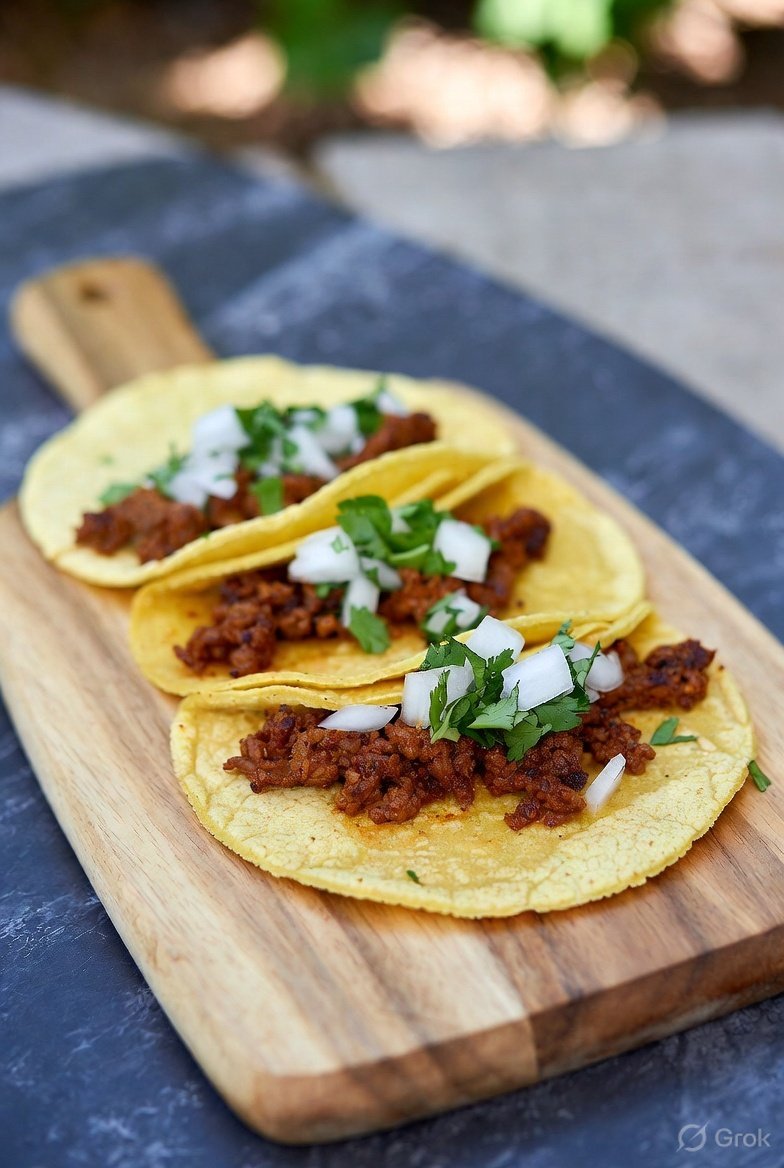
Mexican street food has a strong grip on 2025. Birria tacos, pambazo sandwiches, and esquites are everywhere, often in hybrid forms, like birria grilled cheese or birria ramen. At the same time, pan-African bowls, Caribbean mashups, and Filipino silog plates are winning regular lunch crowds, not just food festival visitors.
Industry resources on street food menus, such as this guide on interpreting street food trends for restaurants, show how chefs now treat trucks as R&D spaces. They test bold ideas curbside, then bring the hits into permanent locations.
Key 2025 shifts in North America:
- Local sourcing, with trucks proudly naming farms and urban gardens on boards and social posts
- Diet-aware menus, where gluten-free, dairy-free, and plant-based options sit beside meaty crowd-pleasers
- Story-driven branding, as vendors share their family recipes, migration stories, or neighborhood roots to stand out
For travelers, this means you can taste both “heritage food” and wild mashups in the same parking lot.
Latin America: Street Classics With a Modern Twist
In Latin America, street food long served as daily fuel. In 2025, it also doubles as a showcase for regional pride.
In Mexico, tacos, tamales, and tortas are still everyday food, but more vendors highlight regional variations and heirloom corn. In Argentina, milanesa sandwiches turn more playful, stacked with unusual cheeses, sauces, and pickles that aim at tourists without losing local fans.
You also see:Street Food Trends
- Peruvian and Brazilian street seafood prepared with cleaner oil and precise cook times, ready for social media close-ups
- Smaller portions, such as mini arepas or snack-size empanadas, aimed at grazing tourists who want to try many stands
- Cold drinks that tell a story, like herbal aguas frescas, cacao drinks, or specialty coffee sold from carts
Inflation has pushed some vendors to raise prices or shrink portions. In response, many double down on quality and origin, using signage and social feeds to explain why their version is worth the extra coins.Street Food Trends
Africa and the Middle East: Local Staples Go Global
Many of the most exciting street food trends in 2025 come from African and Middle Eastern kitchens, even when you taste them in London, Toronto, or Berlin.
Pan-African spots serve jollof rice bowls, suya skewers, bunny chow, and chapati wraps in fast-casual formats. These dishes keep their roots but show up in compostable boxes with sharp branding and clear descriptions for new diners.
In the Middle East, familiar staples like shawarma, falafel, and manakish get updated with:
- Slow-fermented breads that improve texture and flavor
- Modern toppings, like roasted cauliflower, pickled onions, and spicy herb sauces
- Snack-focused menus, built for late-night crowds and food delivery
Vendors from these regions often expand abroad, using street food as a first step before full restaurants. Their success shapes what many Western diners now think of as “global comfort food”.
Why These Changes Matter For Travelers and Vendors
These shifts are not just fun to eat. They change how people travel, cook, and run food businesses.
For travelers and readers of Street Food Blog, the new wave of street food means:
- Better chances of finding safe, freshly cooked, and clearly labeled dishes
- More variety in each city, from hyper-local traditions to inventive fusions
- Easier payments and ordering, often with simple English or picture menus
For vendors, 2025 street food trends open both risk and reward. Upgrading ingredients and packaging costs money, but it can attract higher-spending locals and tourists. Sustainability, clear branding, and social-media-ready food help small carts stand out against chains.
The bigger picture is cultural. Street food has always told stories about migration, struggle, and joy. As stalls become more polished, the best vendors keep those stories front and center, instead of hiding behind generic “global” menus.
Final Bite: How to Eat Street Food Smart in 2025
Street food in 2025 feels familiar, yet sharper, cleaner, and more ambitious. The plastic stool might be the same, but the thinking behind your skewer, taco, or bao is very different.
If you love markets and food trucks, pay attention to what vendors share about their ingredients, origins, and methods. That is where you can truly taste the new street food trends, not just see them on a sign.
Use that curiosity as your guide, whether you are planning a trip, running a stall, or simply hunting for your next great snack. The streets are still the world’s most exciting dining room, and right now, they are just getting started.




Leave a Reply