

How To Handle Food Allergies At Street Food Stalls Without Missing Out

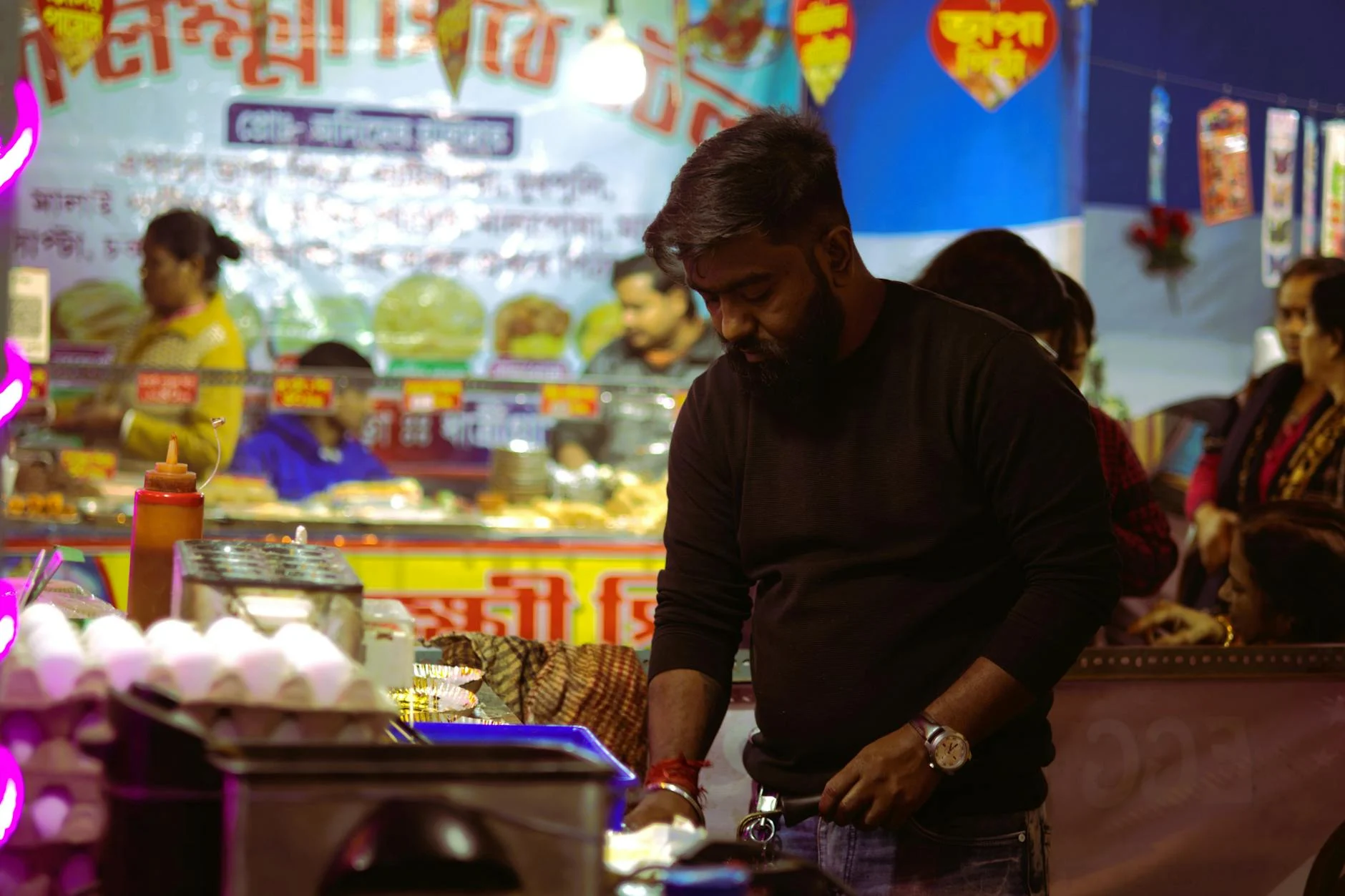
A photo-realistic professional photograph illustrating effective strategies for managing and handling food allergies, with hyperrealistic details and cinematic lighting.
You smell the grill, hear oil crackle, and see a line of happy locals. Then your brain reminds you about your peanut, dairy, or gluten allergy and your stomach drops.
Street food can feel risky when you live with allergies. Cross‑contact, mystery sauces, and language barriers all add pressure, even though you just want a plate of something hot and amazing.
This guide shows you how to handle food allergies street food in a way that keeps you safe and still lets you enjoy the best of local food culture. With a bit of prep and some simple habits, you can eat with confidence instead of fear.
Build Your Street Food Allergy Game Plan Before You Go – How To Handle Food Allergies At Street Food Stalls Without Missing Out
Your safety starts long before you walk up to a stall. A good plan means you make quick, clear decisions once you are hungry and distracted.
Start with your doctor or allergist. Ask what level of risk makes sense for you, how fast your reactions build, and what medicine you need to carry. If you have had anaphylaxis before, your approach on the street should be tighter than someone with mild symptoms.
Next, research the local cuisine. Learn which common dishes almost always contain your allergen and which ones are usually safe. The Globetrotting with Food Allergies guide from the University of Maryland Extension is a good starting point if you travel a lot.
It helps to create a short, honest rule set for yourself, for example:
- I never eat from deep fryers that also cook my allergen.
- I avoid mixed dishes with many sauces.
- If I am not understood twice, I walk away. How To Handle Food Allergies At Street Food Stalls Without Missing Out
Decide these rules while you are calm, not when you are starving in a crowded night market.
Pack A Simple “Street Food Allergy Kit”
Think of your bag or daypack as your backup kitchen. A few small items can turn a risky scene into a manageable one.
Essentials include:
- Prescribed auto‑injector and any other allergy meds
- Antihistamine tablets, if your doctor recommends them
- Copies of your allergy card in the local language
- Hand wipes for sticky tables and shared surfaces
Many allergy groups offer printable cards. The detailed eating‑out checklist from Food Allergy Research & Education (FARE) can help you think through what to include.
On your card, keep the wording short and firm. For example:
“I have a severe allergy to peanuts and tree nuts. Even a small amount or shared oil can make me very sick. Please tell me if this food has nuts or is cooked with nuts.” How To Handle Food Allergies At Street Food Stalls Without Missing Out
Keep a photo of the card on your phone too, so you can zoom in if the stall is dim at night.
How To Talk To Street Food Vendors About Your Allergies
A clear, friendly talk with the vendor is often your best safety tool. Many stall owners take pride in their food and will help if they understand what you need.
Speak slowly, smile, and keep your message simple. Long stories about your immune system only add confusion. Short phrases work better, such as:
- “I am allergic to shrimp. No shrimp, no shrimp paste, no fish sauce with shrimp.”
- “Can you cook my food in a clean pan with clean oil?”
If you struggle with the language, learn key allergy phrases out loud, not just on your phone. Pointing to your translated allergy card while you speak helps a lot.
Pay attention to the response. If the vendor looks unsure, laughs it off, or keeps saying “no problem” without looking at their tools, that is your signal to say thanks and move on. You are not being rude, you are protecting your health.
For more ideas on what to ask and when to walk away, the Dining Out guide from Food Allergy Awareness gives practical examples that also apply to street stalls.
Spot Safer Street Food Stalls In Seconds
Your eyes can often tell you more than any signboard. Before you order, take a minute to watch the stall in action.
Things that usually point to a safer setup:
- One main allergen per station, such as only chicken or only noodles
- Separate oil or grills for meat and for vegetarian items
- Clean tongs, knives, and chopping boards that are wiped or rinsed between orders
On the other hand, be cautious if you see the same spoon dipping into every sauce, piles of different foods on one tray, or skewers being brushed with the same marinade no matter what they are.
Jodi Ettenberg from Legal Nomads has spent years eating on the road with celiac disease. Her guide on how to eat street food without getting sick is useful, even if your focus is allergy rather than stomach bugs, because many of the visual checks are the same.
Stay slightly away from chaotic, all‑you‑can‑pile‑on stalls. Simple menus with a few items are usually easier to manage safely, for you and for the cook.
Smart Ordering Strategies When You Have Allergies- How To Handle Food Allergies At Street Food Stalls Without Missing Out
Once you like what you see and you trust the vendor, make your order as low‑risk as possible.
Choose dishes with few ingredients and no mystery sauces. Grilled meat with plain rice, roasted corn, baked potatoes, fresh fruit, and stir‑fried vegetables cooked to order are better bets than curries with long ingredient lists or mixed platters.
Some helpful ordering moves:
- Ask for your food to be cooked in a clean pan or on a clean section of the grill.
- Request fresh oil if the fryer also cooks your allergen, or skip fried food there.
- Say no to toppings or sauces if the vendor cannot explain what is in them.
You can also ask “What do you cook that does not use milk / egg / nuts at all?” Many vendors will point you to the simplest option they have.
If you want more structure around this, the Managing Food Allergies in Dining Establishments article on PubMed Central explains how kitchens reduce cross‑contact. The same ideas apply at a good street stall, just in a smaller space.
When in doubt, order less, taste carefully, then go back for a second round if you feel safe.
Backup Plans, Apps, And A Calm Mindset
Even with planning, some nights will not feel safe enough to eat from the street. Having backup options makes that easier to accept.
Before your trip, save a few allergy‑aware resources, such as:
- AllergyEats, a guide to allergy‑friendly restaurants
- Spokin’s list of allergy‑friendly and celiac‑safe food trucks
These can point you to places that already understand allergies, so you are not starting from zero.
Keep some safe snacks in your bag so you are never stuck hungry if you skip a stall. Even a simple granola bar you know is safe can take the pressure off your next decision.
Most of all, be kind to yourself. You are allowed to walk away from food that feels risky. There will always be another night market, another city, another dish. At Street Food Blog we have seen again and again that patience pays off with better, safer meals.
Conclusion
Street food should feel like joy, not a test of nerves. With a clear plan, a small allergy kit, sharp eyes, and honest talks with vendors, you can turn fear into confidence at the stall.
Start small, take notes on what works for your body, and use guides and apps to back you up. Next time the smell of grilling meat or frying garlic hits you, you will be ready to enjoy it instead of stepping back.
If you have your own tips for handling food allergies at street food stalls, share them with other readers and help keep our global food adventures both exciting and safe.

Leave a Reply