
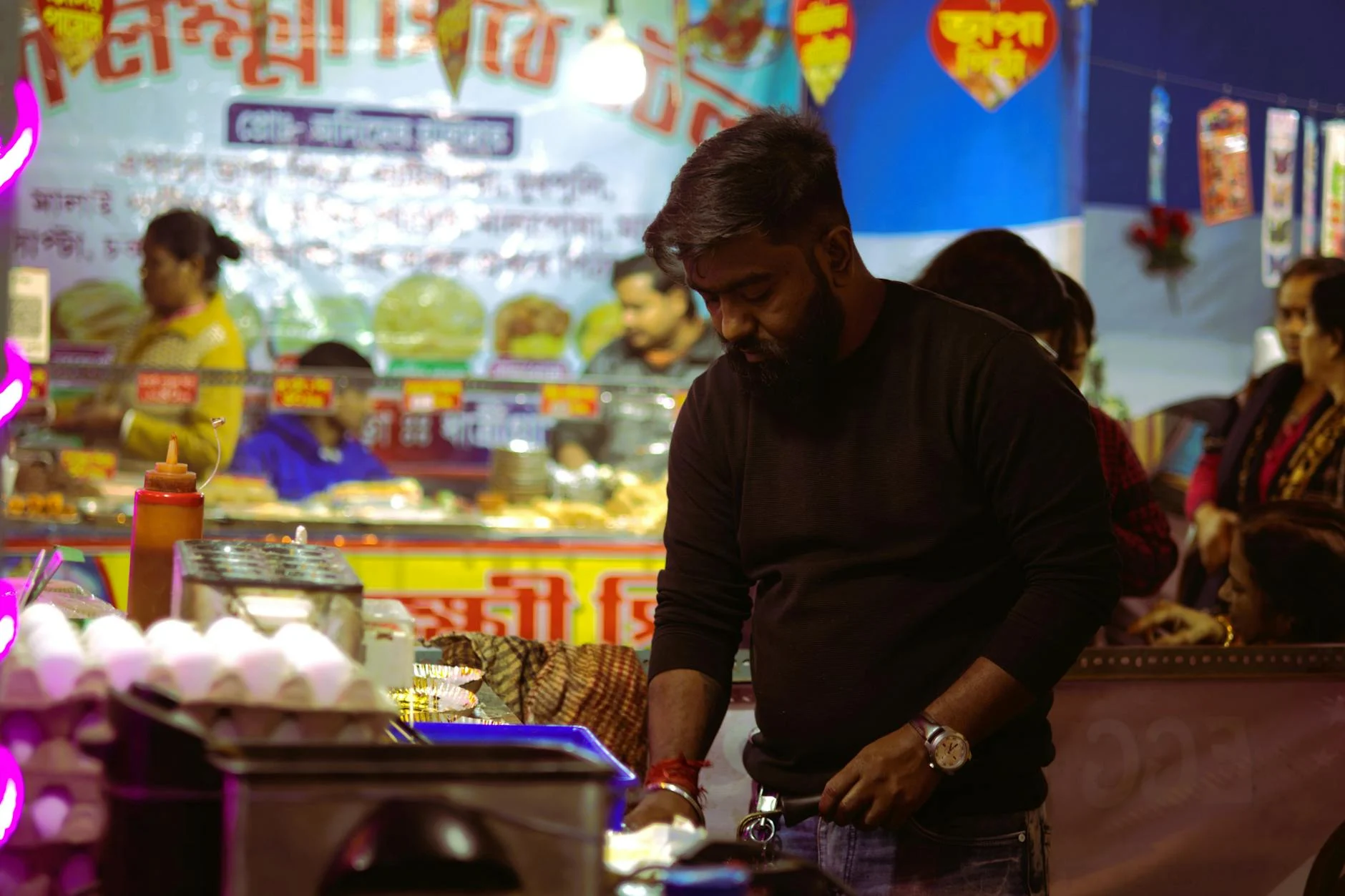
Egg stalls are hard to resist. The sizzle, the smell of butter and spices, the quick comfort of a hot roll stuffed with masala eggs, it’s street food at its best.
But street food egg safety comes down to one simple question: are those eggs cooked all the way through? Undercooked eggs can look “almost done” in a busy pan, especially when a vendor is cooking fast for a crowd.
This guide is for travelers and food lovers who want the fun without the regret. It’s written in the practical spirit of Street Food Blog: what to look for, what to order, and when to walk away.
Why undercooked eggs are a bigger risk at street stalls
Eggs can carry bacteria on the shell and sometimes inside. If the egg doesn’t get hot enough for long enough, that risk stays on your plate. Street stalls add a few extra variables: heat that runs too low during rush lulls, eggs cracked in advance, and cooked eggs held warm for “just a minute” that turns into a long time.
If you want the plain-language overview of what can go wrong, FoodSafety.gov’s guide to Salmonella and eggs explains why raw and undercooked eggs are a common culprit.
Risk isn’t only about the egg. It’s also about the process: how often utensils get wiped, whether a pan gets a quick scrape between batches, and whether the vendor’s “clean towel” is really clean.
The fastest ways to spot undercooked eggs (without lab tests)
Think of eggs like custard. They go from glossy liquid to soft set to firm set. At a street stall, your job is to catch the moment when they’re still “shiny.”
Look for these universal red flags
- Visible wet egg pooling on the plate, inside a bun, or along the edges of an omelet.
- Jiggly whites on fried eggs, where the white near the yolk trembles like unset jelly.
- Transparent egg white, which should turn fully opaque when cooked.
- A raw smell (sulfur notes are normal, but “raw batter” vibes are not).
Dish-by-dish cues (what “done” looks like)
| Street egg dish | What cooked looks like | Undercooked warning signs | Safer order line |
|---|---|---|---|
| Fried egg (sunny-side up) | Whites fully opaque and set | Clear whites, runny white halo | “Can you cook it until the whites are fully set?” |
| Over-easy egg | Whites set, yolk may be soft | White still sliding on top | “Over-hard, please.” |
| Scramble / bhurji | Fluffy curds, no shine | Glossy streaks, wet puddles | “Make it dry, well-cooked.” |
| Omelet | Firm center, steams when cut | Wet middle, egg flows out | “Cook the middle through.” |
| Boiled egg | Firm white, yolk set (or jammy) | Snotty white, watery ring | “Hard-boiled only.” |
| Egg-topped rice/noodles | Egg fully mixed and cooked into dish | Wet egg coating grains | “No runny egg, all cooked.” |
Fried eggs: the “white tells the truth”
Yolks can be runny and still be heated, but the white is the giveaway. If any part of the white is still clear, it’s not done. At stalls, the center white is often the last to set, especially if the pan is crowded or the heat is low.
If you like a soft yolk, ask for a method that still heats the top: cover the pan, baste with hot oil, or flip. If the vendor can’t do that, choose a different egg style.
Scrambled eggs and bhurji: shine is your enemy
Street-style scramble often looks creamy, but there’s a line between tender and undercooked. If it looks wet enough to paint the plate, it’s probably under. Well-cooked scramble should look matte, with soft curds that hold their shape.
A simple test: if the vendor scoops it and it slumps like porridge, ask for it cooked longer.
Omelets: the center matters more than the color
An omelet can brown on the outside and still be runny in the middle. If you watch the cook fold it and liquid egg squeezes out at the seam, that’s your signal.
When you cut in, the center should release steam, not liquid.
Boiled eggs: watch the peel and the texture
Hard-boiled eggs are often one of the safer street choices, but only if they’re truly hard-boiled and handled cleanly. An undercooked boiled egg has a white that turns rubbery and semi-clear, and it can cling in a messy way when peeled.
If the vendor peels a batch in advance and leaves them sitting out, skip it. You want a boiled egg peeled fresh, or at least taken from a hot pot.
Stall “process” checks that predict safer eggs
You can’t see bacteria, but you can spot habits that reduce it.
Heat and pace: steady beats rushed
A good sign is a pan that stays consistently hot, with food moving in quick cycles. High turnover means less time in the danger zone and less reheating.
A weak sign is eggs cooking slowly on low heat while the vendor chats, then getting a fast flip and served.
Where are the eggs stored?
If eggs sit in direct sun or near a warm stove all day, that’s not great. In many places, eggs are sold unrefrigerated, but prolonged heat still raises risk. You’re looking for eggs kept shaded, not next to the burner.
For a broader refresher on egg handling basics, this public health resource is clear and practical: Minnesota Department of Health egg food safety guidance.
One utensil for raw and cooked is a deal-breaker
If the same spoon touches raw egg mix and then scoops cooked egg into your plate, cross-contamination can undo the cooking step. A quick wipe on a towel doesn’t count as cleaning.
Safer ways to order egg street food (without offending the cook)
Many vendors will happily cook it longer if you ask in a simple, respectful way. Keep it short, and sound like you’re ordering for taste, not accusing them of being unsafe.
Phrases that work almost anywhere
- “Well-done, please.”
- “No runny egg.”
- “Cook the middle through.”
- “Hard-boiled only.”
If you’re ordering a sandwich or wrap, ask for the egg to be cooked firm before it goes inside. Once it’s folded into bread with sauce, you lose the visual cues.
Choose egg dishes that are easier to cook through
Some street egg dishes are “forgiving” because the egg is cooked longer or thinner:
Often safer picks: fully cooked omelets, dry bhurji, egg fried rice where egg is scrambled into the pan, hard-boiled eggs added at the end, or egg curry where the eggs are already boiled.
Higher-risk picks (at busy stalls): soft scramble, sunny-side up, runny egg toppings, and thick omelets cooked too fast.
Know the temperature rule of thumb
Egg dishes are considered safely cooked when they reach a high enough internal temperature. If you want the official baseline, FoodSafety.gov’s safe minimum internal temperature chart includes guidance for egg dishes.
You won’t be using a thermometer at a street stall, but the chart explains why “looks almost set” isn’t the same as “safe.”
If your eggs arrive undercooked, do this (quickly)
Don’t pick around the wet parts. The liquid can smear into bread, chutneys, and toppings. Ask for a re-cook while it’s still on the plate.
Try: “Can you cook this a bit more? I like it firm.” If the stall refuses, or seems annoyed, it’s a clean sign to skip and move on. Street food is about choice, and another stall is usually 20 steps away.
Conclusion: trust your eyes, order with intention
Undercooked eggs at street stalls aren’t always obvious, but the cues repeat: shiny egg, clear whites, wet centers, and rushed cooking. Watch the pan, check the set, and order eggs “well-done” when you can’t see what’s happening inside the food.
Street food should leave you full and happy, not counting hours to your next bathroom break. When in doubt, pick a dish that’s cooked firm, and treat street food egg safety like a travel skill you get better at with every bite.


Leave a Reply