
Weekends, a pocket of free time, a little cash, and the smell of grilled meat or fresh pani puri in the air. You are already out there tasting, snapping photos, and chatting with vendors. That habit is not a distraction from your blog. It is your best research tool.
If you run a street food blog, or want to start one, your lazy Saturday snack run can turn into a steady stream of posts, photos, and ideas. With a bit of structure, every plate of momos, tacos, or vada pav becomes content waiting to happen.
This guide shows how to turn your weekend food walks into focused, repeatable research that feeds your blog for months.

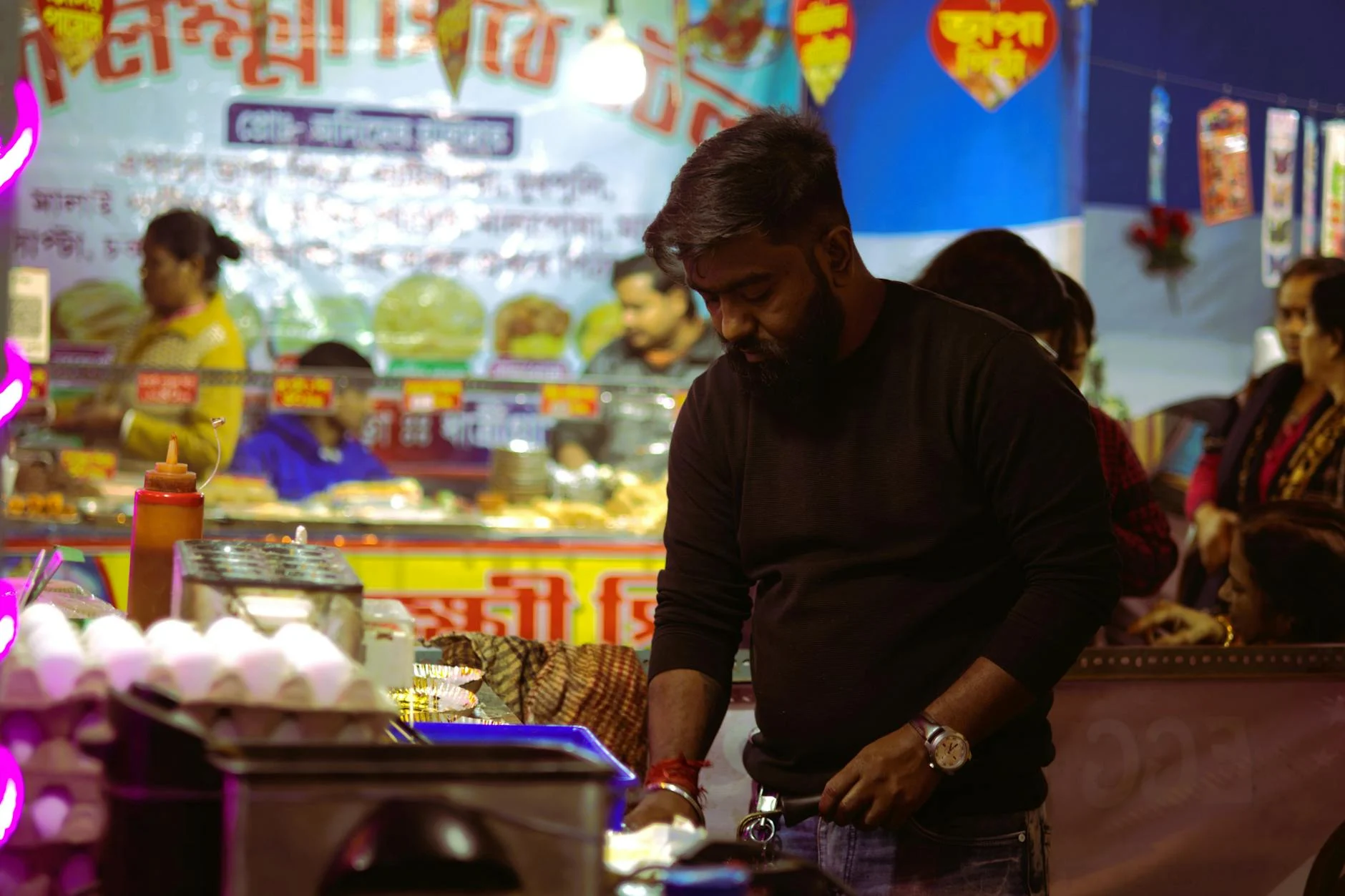
Photo by Kampus Production
Treat Every Weekend Snack Like Fieldwork
Think of yourself as a food reporter, not just a hungry customer. The only real change is your mindset.
Instead of just eating and leaving, slow down a little. Pay attention to:
- The smell when you walk up to the stall
- The sounds of the grill, fryer, or chopping board
- The small routines, like how the vendor plates or garnishes each dish
These details are the parts that make your posts feel like real street life, not just menus. On Street Food Blog, readers want to feel the heat of the tawa or the smoke from the charcoal, even if they are at home on a Tuesday night.
Carry a tiny notebook or use your phone notes. Jot down quick phrases: “lime over hot fries”, “crowd only locals”, “music from nearby temple”, “plastic stools, low to the ground”. Short sensory notes are easier to write than full sentences and they keep you present.
Build A Simple Street Food Research System
You do not need a complex app to turn weekends into research. You just need the same set of details every time. Over a few weeks, patterns appear, and those patterns become guides, lists, and comparison posts.
Here is a simple checklist you can follow for each stall or dish.
| Data to record | Why it matters for your blog |
|---|---|
| Stall or shop name | Helps readers find it and builds trust |
| Exact location | Lets you make maps, walking routes, and local guides |
| Price | Sets expectations, great for budget posts |
| Opening hours | Saves readers wasted trips and builds authority |
| Crowd type & vibe | Tells readers if it suits families, solo eaters, or late nights |
| Standout dish | Focuses your article and headline |
| Small story detail | Gives each post a hook and personality |
Create a simple note template on your phone with these fields. After each stop, fill it in while you wait for the bill or your change. It becomes a habit after two or three weekends.
If you are still shaping your niche, it can help to read about how others picked theirs. The tips in Find Your Food Blog Niche: Expert Tips are useful if you are torn between recipes, travel, and pure street food coverage.
Turn Tasting Notes Into Blog-Worthy Stories
Raw data does not hook readers. Stories do. Your weekend notes are like puzzle pieces. The story is how you arrange them.
Instead of posting random stalls, group your visits into clear angles, for example:
- A “24 hours eating only street food” post in your city
- A guide to “late-night street food near the station”
- A comparison of “three places that serve the same classic dish”
Use your notes to set the scene in the first few lines. Rather than “I ate chole bhature in Delhi”, try:
The oil hissed as another bhatura hit the kadhai, and the queue behind me wrapped around a parked scooter.
That one sentence pulls from your sound, sight, and crowd notes. You are still telling the truth, just in a sharper way.
Remember to add small human details. Did the vendor recognize you from last weekend? Did a stranger at the table recommend an extra topping? Readers remember those small moments more than long descriptions of spice blends.
Use Your Street Food Trips For SEO Research
If you want people to find your street food blog on Google, your weekend walks can feed your keyword research too.
Listen carefully to how locals talk about the dish or area. Notice:
- The local name of the dish, not the tourist version
- Neighbourhood names and nicknames
- Phrases people use, like “college crowd spot” or “after-office snacks”
These become long-tail keywords like “college student street food near Andheri station” or “late night bhel puri in Bandra”. When you match how real people speak, you also match how they search.
To go deeper, mix your real-world language with simple keyword tools. Guides like 5 Tips for Keyword Research for Food Bloggers or 9 Keyword Research Tips for Food Bloggers 2024 explain how to check search volume and find related phrases. You can then build weekend routes around terms you want to cover this month.
Over time, you will have posts that match both what you love to eat and what people are already searching for. That mix is the sweet spot.
Mix Practical Street Food Tips With Personal Experience
Readers do not just want to know if a dish tastes good. They want to know if they will get lost, sick, or ripped off. Your weekend research should always include a few practical points.
For each spot, try to cover:
- How to order if you do not speak the language
- How spicy the food runs as a default
- Whether you should avoid the tap water, ice, or raw toppings
- How clean the stall and serving area looked at the time you visited
If you travel, or your audience includes travellers, safety is a big part of your authority. Articles like Safely Eating Street Food Around the World can help you build your own checklist for hygiene and smart choices.
Then mix those tips with your story. Tell readers how you handled a crowded line, or what you said to ask for “less spicy”. This blend of guide plus honest experience is exactly what makes a Street Food Blog feel trustworthy.
Turn Photos And Videos Into A Content Library
You are likely already taking photos of your food. With a tiny shift, those photos become planned assets, not random snaps.
On each weekend outing, try to capture:
- A wide shot of the stall and street
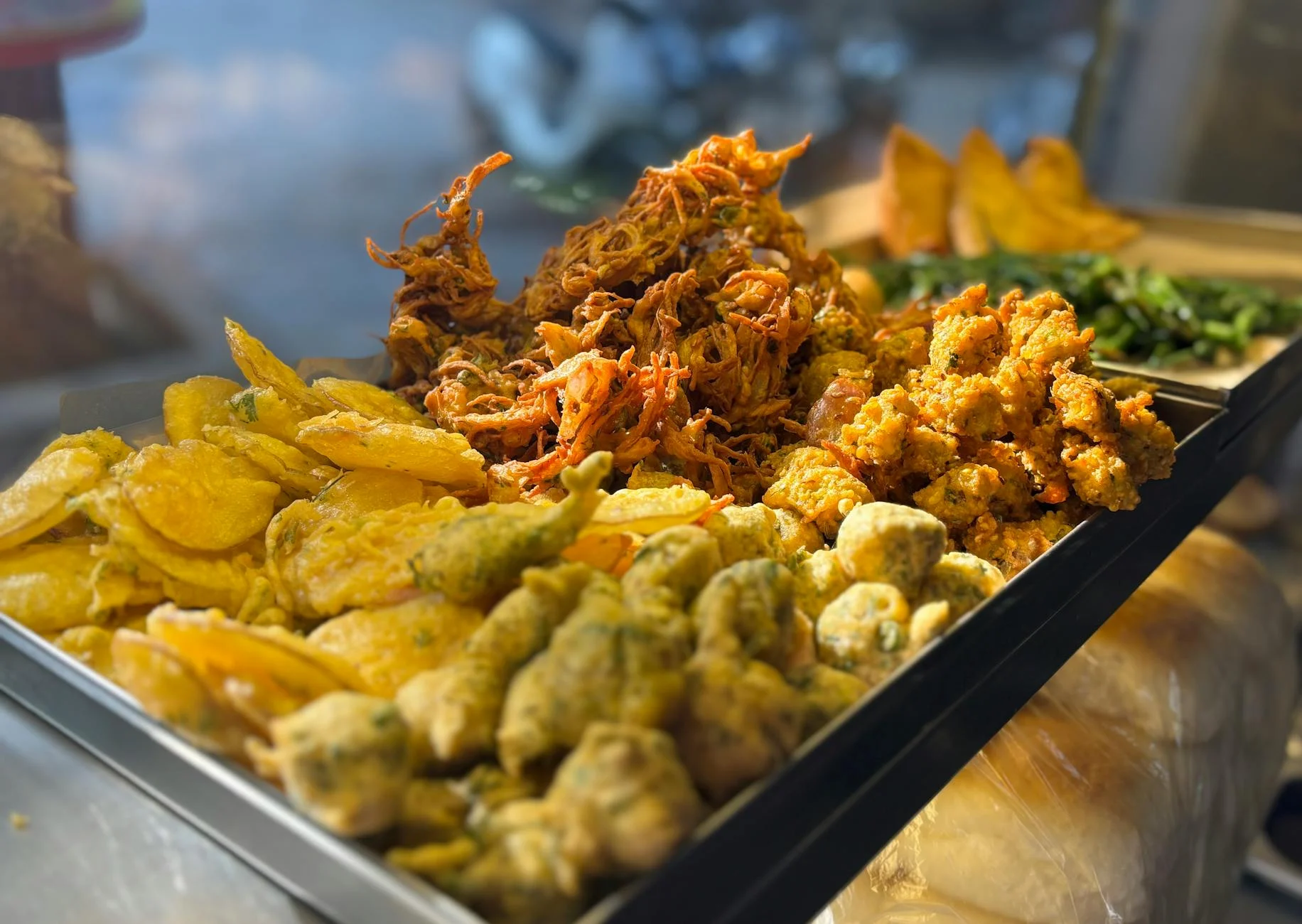
- A close-up of the dish before you touch it
- A quick video of something moving, like frying, stirring, or plating
Store them in folders by area and date. That way you can later build “street food in Old Town” posts even if you did not plan them at the time. One weekend can then fuel several future posts, thumbnails, and Reels.
Do not worry about perfect photography. Honest, clear images beat studio-style plates, especially for street food. Just keep your lens clean, shoot in natural light when possible, and get close to the food.
Stay Consistent Without Burning Out
Turning your habit into research does not mean every weekend must be a marathon. You do not need a full city guide every time you go out.
Pick one focus per weekend. For example:
- This Saturday, only chaat stalls in a 1 km stretch
- Next Sunday, only breakfast carts around the train station
With that focus, you can visit two or three spots, gather good notes, and head home guilt-free. On weekdays, turn those notes into drafts. By the time the next weekend comes, the previous one is already scheduled on your street food blog.
A simple rhythm like this keeps your content steady without draining your love for street food.
Conclusion: Let Your Habit Work For Your Blog
Your weekend street food runs already hold everything your readers want: flavor, stories, prices, routes, and real-life details. With a light system for notes, photos, and keywords, that habit turns into a reliable research engine for your Street Food Blog.
Next weekend, do not change your plans. Eat at the same kinds of places you already enjoy. Just arrive with open eyes, a small note template, and the mindset of a reporter. You will walk home with a full stomach, a full camera roll, and the bones of your next few posts ready to go.


Leave a Reply